
Author Archives: Kris Littlewood

Why you need specialist car insurance if you own a modified car

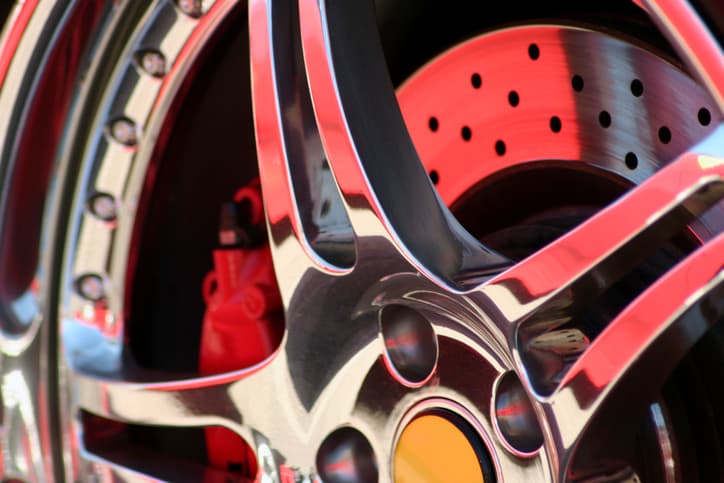
Close-up image of a red and chrome wheel, emphasizing its sleek design and reflective chrome accents.

If you’ve customised your car with the latest upgrades and trims, it’s likely you’ve invested significant time, effort and expense into getting it just right. Protecting that investment with the right insurance should anything happen is just as important.

While it’s quick and easy to compare quotes online, standard policies found on price comparison website aren’t always suitable for non-standard vehicles. Choosing the wrong insurance policy could leave you underinsured, or worse still, unable to make a claim when you need to, leaving you to foot the bill. That’s when speaking to a specialist broker that is experienced in arranging modified or imported car insurance can make all the difference.

Do modified cars need special insurance?

In most cases, yes. Standard car insurance policies cover standard vehicles that haven’t been altered, remaining exactly as they left the factory. As soon as you begin to change that original specification, insurers start to assess your car differently, which is reflected in your insurance premium.

A modification to a vehicle can range from performance upgrades like engine remaps, turbo kits, or upgraded exhaust systems, to cosmetic enhancements such as body kits, alloy wheels, or wraps. Suspension changes like lowering kits or coil-overs, as well as interior upgrades such as aftermarket seats or steering wheels are also modifications.

Even minor alterations can impact how insurers view your vehicle. That’s why it’s essential to declare every modification, no matter how small, to ensure your insurance policy provides the right level of protection.

When standard insurance falls short

One of the biggest risks for modified car owners is failing to inform their insurance provider about any changes that have been made to the vehicle. If modifications aren’t declared, your policy could be invalidated, meaning that any claims may be refused.

You may have spent a lot of money upgrading your car to increase its value, but a standard policy may only cover its original market value. This can leave you out of pocket if your vehicle is stolen or written off.

Modified cars can become riskier to insure. Increased performance, altered handling, or even visual enhancements can make a car more attractive to thieves or more likely to be involved in a claim. Therefore, insurers may need to account for this properly within your insurance policy.

What is modified car insurance?

Modified car insurance is specifically designed for vehicles that have been altered. Rather than treating your car as standard, it includes the type and extent of the modifications, the adjusted value of your car, and any specialist repair or replacement requirements.

This doesn’t necessarily mean it’s going to be more expensive though. Some insurers specialise in enthusiast vehicles and recognise well-maintained, carefully modified cars as a lower risk, especially those that are stored securely or used occasionally.

Choosing the right policy for your modified car

Finding the right insurance for your pride and joy isn’t about price. It’s about making sure your policy truly reflects your vehicle. When choosing a policy for your modified car, your policy should include the following covers:

  • Agreed value cover: Instead of market value, agreed value cover allows you and your insurer to set the car’s value upfront, including all modifications, so there’s no uncertainty if you need to claim.
  • Full modification cover: Every declared upgrade or alteration should be listed and protected under the policy. This means you should tell them about every modification, no matter how small.
  • Like-for-like repairs: If your car is damaged, you’ll want to replace damaged parts with equivalent replacement parts that match your modifications, not standard ones.
  • Specialist insurers: Use insurers who specialise in modified cars and understand the passion behind them. They’re often more flexible and better equipped to provide the covers you need.

Protect your modified car with specialist insurance

If your car is modified, it’s important that your insurance reflects its true value and risk. While a standard policy may seem cheaper, it may not provide the protection you actually need.

Always declare every modification, no matter how minor it seems, and keep receipts or documentation for any work carried out. If your car is heavily modified, you should consider using a specialist insurance broker who understands your unique needs.

Don’t forget to review your insurance on a regular basis, especially after making further changes to your car as this ensures your policy accurately covers you.

A specialist broker like AIB will take the time to tailor your policy to your exact needs, giving you the confidence that if something goes wrong, you and your car are suitably protected.
Supercar trends for 2026 – and what they mean for insurance premiums

Hybrid car logo showcased on the front of a vehicle, representing innovation in sustainable transportation.

The supercar landscape in 2026 is evolving in fascinating ways, blending cutting-edge engineering with a renewed focus on driver engagement. While electrification once seemed inevitable, car manufacturers are now turning toward high-performance hybrid systems that preserve the emotional appeal of traditional combustion engines. This shift is not only redefining performance but also influencing the cost and complexity of insuring these vehicles.

The rise of the hybrid

One of the most significant trends is hybridisation with character. Rather than fully electric vehicles, brands are embracing high-revving hybrid setups that deliver both efficiency and excitement. These systems are more complex than traditional engines, combining electric motors, batteries, and combustion components. While this enhances performance, it may introduce higher repair costs, something insurers factor into car insurance premiums.

Aerodynamics and authenticity

Another defining feature of 2026 supercars is aero-first engineering. Manufacturers are pushing the boundaries of aerodynamics with active systems that adapt in real time. From rotating rear wings to advanced chassis designs generating immense downforce, these innovations improve safety and handling.

Interesting, the interior experience is also shifting. A move toward de-digitalisation is seeing the return of tactile controls and physical buttons. This is designed to improve driver focus and reduce distraction, potentially lowering accident risk. Even sound design is being reimagined, Ferrari’s next EVs will amplify real mechanical vibrations rather than fake digital tones, preserving authenticity in an increasingly digital age.

However, all these innovations add layers of mechanical sophistication. In the event of damage, even minor repairs can become highly specialised and expensive, which could potentially drive-up insurance costs.

Bespoke is the new standard

At the same time, ultra-customisation is redefining exclusivity. Owners are opting for bespoke finishes and rare configurations, which can significantly increase a vehicle’s insured value. Limited production runs further amplifies this effect, making certain models not just cars, but appreciating assets. For insurers, this introduces higher risk exposure that often requires specialist coverage.

The insurance impact

Looking ahead, insurance premiums will continue to be shaped by the market, technological innovation and regulatory changes. While exact costs are difficult to predict, one thing is clear, as supercars become more advanced, insuring them will require greater attention to detail.

The good news is that the fundamentals to insurance remain unchanged. Shopping around, maintaining your vehicle, and driving responsibly are still the most effective ways to manage insurance costs. In a rapidly evolving market, reviewing your policy regularly is the best way to ensure you and your vehicle remain fully protected.

At AIB we’re here to help fully protect your supercar with the right insurance tailored to your vehicle’s unique specification. Our experts are on hand to provide tailored advice and a range of insurance quotes from some of the UK’s top insurers, simply get in touch to speak to us today.

Is your motorhome ready for a 2026 European summer road trip?

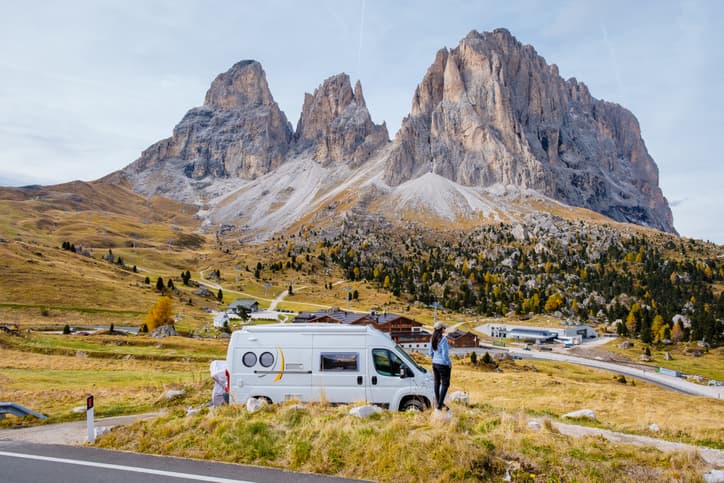
A scenic view of a camper van parked with a stunning mountain backdrop, highlighting nature's beauty.

Summer is just around the corner. Like us, you may be dreaming of the perfect continental road trip. You might imagine meandering through French wine regions or stopping in the Black Forest.

However, cross-border touring has changed significantly. Spontaneous journeys now require more technical and regulatory precision. At AIB, we are experts in specialist car and motorhome insurance. We find cover for everything from DIY campervans to bespoke motorhomes.

Before you book your ferry or tunnel, consider these five essential checks for travelling in Europe in 2026.

1. The Transition to Biometric Borders

2026 marks the full launch of the Entry/Exit System (EES) across the Schengen Area. British travellers must now use a centralised biometric database. This replaces old-fashioned physical passport stamps.

Biometric systems now monitor the 90/180-day rule with absolute precision. There is no longer a ‘margin of error’ for overstaying. This creates a new insurance risk. A mechanical failure or medical emergency could delay your return. The system will automatically trigger legal consequences for an overstay. Ensure your policy includes legal expenses and emergency repatriation to mitigate these rigid deadlines.

2. The Emissions Challenge: Urban Access and Vignettes

Perhaps the most significant change for 2026 is the proliferation of Low Emission Zones (LEZs) across Europe.

  • France: The Crit’Air vignette is now mandatory in almost all major urban areas. By 2026, many older diesel vehicles (typically those registered before 2011) are facing bans from cities like Paris, Lyon, and Marseille.
  • Germany: The Umweltplakette remains a requirement for ‘Umweltzones’. In 2026, most cities only permit vehicles with a Green sticker, effectively excluding older diesel motorhomes.
  • Spain: The Zona de Bajas Emisiones (ZBE) now requires foreign vehicles to either register in advance (as in Barcelona) or carry equivalent emissions documentation.

If you fail to display the correct vignette, authorities may fine you or impound your vehicle. We recommend verifying your Euro emissions standard well before you depart.

3. Gas and Electricity Standards

UK camping standards often differ from continental infrastructure. You cannot refill British Calor gas cylinders in mainland Europe. Without a refillable LPG system like Gaslow, your heating and refrigeration could fail.

Similarly, electrical hook-ups vary. Your insurance valuation should reflect technical upgrades like solar panels or lithium batteries. These are essential for staying autonomous where traditional infrastructure is lacking.

4. The End of Spontaneous “Wild Camping”

Many European towns now ban informal overnight stays to combat over-tourism. In popular regions, you must pre-book campsites. This shift impacts your financial risk. If a breakdown causes you to miss a non-refundable booking, standard travel policies might not cover the loss. Look for “interruption of cover” specifically designed for high-value motorhome tours.

5. Weight, Modifications, and Recovery

This is the most significant concern for our customers. Many standard policies have a strict 3.5-tonne (3,500kg) limit and many motorhomes have custom modifications.

The Payload Weight: Your vehicle might be “plated” at 3.5t. However, water, fuel, and passengers often push it to the legal limit. Adding solar panels or bike racks can make the vehicle “overladen.”

Insurance Risks: Insurers often verify vehicle weights after an incident. If investigators find you exceeded the Maximum Authorised Mass (MAM), they may void your policy. You would then be personally liable for all damages.

Repatriation: Many policies will scrap your vehicle locally if recovery costs exceed its market value. A specialist policy is designed to bypass these thresholds, ensuring your vehicle is returned to the UK regardless of the logistical complexity.

How AIB Can Assist Your 2026 Road Trip Preparations

At AIB, we help you navigate these tensions. We provide tailored insurance policies rather than “off-the-shelf” products. We are here to:

  • Review your policy limits against your vehicle’s actual weight.
  • Identify and disclose your modifications to underwriters to protect your cover.
  • Identify specialist recovery products with unlimited repatriation.

Contact our specialist team today. Ensure your cover meets your needs for 2026.